
There are moments on Britain’s Got Talent that don’t just entertain — they stop time. The lights feel warmer, the air grows heavier, and every single person in the room holds their breath. This was one of those rare occasions that makes you forget what day it is and just listen.
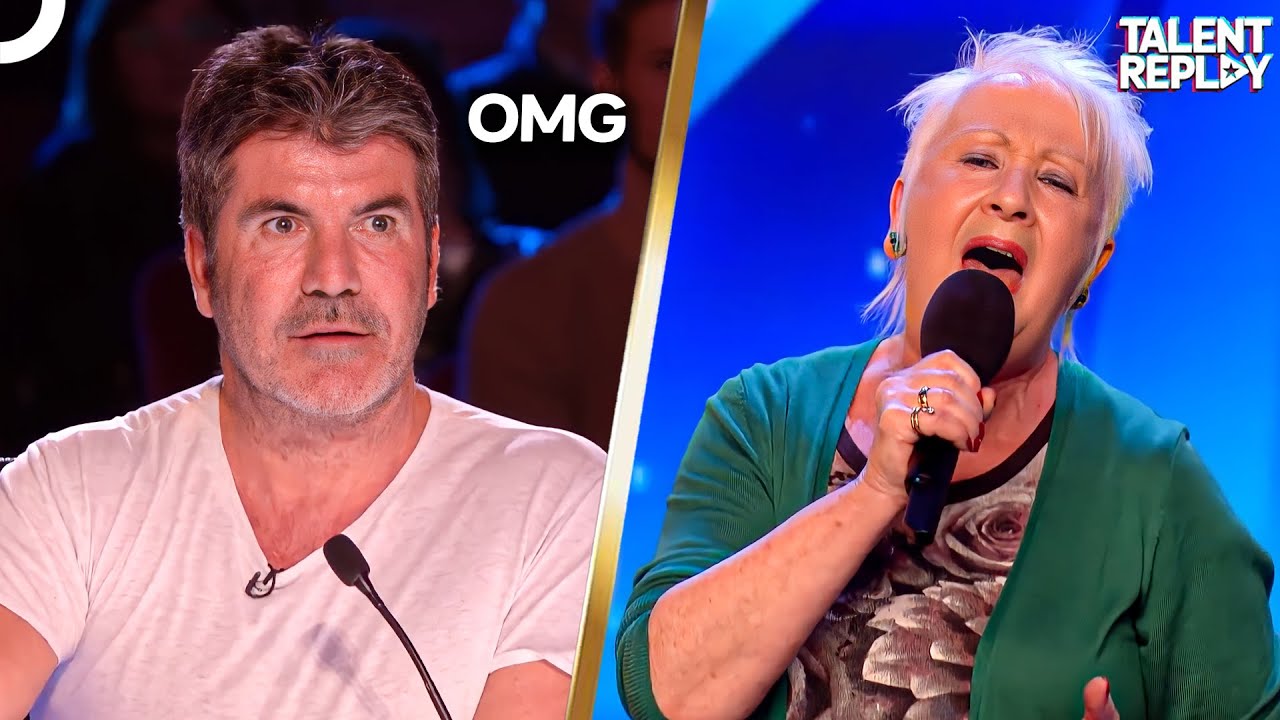
She walked onto the stage quietly, without a flashy entrance or dramatic flourish. No pyrotechnics, no viral-studio swagger — just a calm presence and a gentle smile that made her seem instantly approachable. At first glance she looked like someone you might pass on the street: ordinary clothes, easy posture, nothing to telegraph that the next few minutes would be unforgettable. There was no hint of the storm that was about to break when she opened her mouth.
During her brief introduction, the reaction from the audience was polite but reserved. A few polite claps, a ripple of curiosity, a smattering of murmurs — the kind of neutral energy that often precedes anything on a big stage. The judges listened, trading quick, professional glances as they weigh up another contestant who might or might not leave a mark. You could almost hear the unspoken question: “Will this be memorable, or just another audition?”
Then the music started, and everything shifted.
The first note slipped out of her as if she had been saving a secret and finally decided to share it. The room fell into a silence that wasn’t awkward or empty — it was full, like the pause before a story’s most important line. In that hush, you could feel people lean forward in their seats. Conversations died mid-sentence; phones lowered; the collective breath of an auditorium stilled. This was the kind of silence that prickles your skin and makes the hairs on your arms stand up.
Her voice demanded attention in the most natural way. It wasn’t showy; it didn’t need to be. There was a rich, textured quality to it, a mix of controlled power and vulnerable feeling that made every syllable matter. You could hear the color of lived experience in her tone — a faint rasp in places that suggested late nights or long drives, a clear, ringed top note that rose like sunlight through clouds. Each phrase felt like a sentence in a story only she could tell, and the audience leaned in as if trying to catch every last word.
Small details amplified the moment. One woman in the front row covered her mouth with both hands, unable to contain a sob. A man a few seats over blinked hard, eyes glistening. An older couple exchanged a look that said, without words, “Remember this.” Even the judges — usually ready with quick quips, prods, or the dreaded buzzers — were silent, absorbed. One judge’s eyebrows lifted slowly in surprise; another’s mouth softened into a delighted smile. There were no interruptions, no calls of “next” — just four people sitting very still and listening like fans at a private concert.
As she moved through the song, her delivery wasn’t about technical gymnastics; it was about truth. There were little imperfections — a crack in a long note, a hitch when the emotion swelled — but those imperfections made it human. Perfection can impress; honesty moves. And honesty is what filled that theater. The performance felt like a conversation between the singer and every person in the room, an intimate exchange in which she confessed, and they responded by opening their hearts.
When the final note lingered and finally faded, the pause that followed was sacred. No one wanted to be the first to break the spell. Then, as if a dam broke, the silence gave way to thunder. Applause erupted, filling the space with a sound so loud it felt like wind. People jumped to their feet, cheering and whistling, some calling her name. Tears were wiped away, smiles beamed, and strangers hugged. The standing ovation rolled through the auditorium like a wave, and for a moment the stage felt smaller than the emotion it held.
Why do moments like this land so hard? Maybe because they remind us of the power of raw, unfiltered expression. In a world often saturated with curated moments and rehearsed authenticity, watching someone simply express themselves and be fully heard feels like a minor miracle. It’s a reminder that talent isn’t only about hitting the right notes; it’s about connecting, about giving people a reason to stop their scrolling and listen.
After the show, people lingered outside the theater replaying the performance in their minds. Clips began to circulate online almost immediately, with comments from viewers saying they had watched it three, five, ten times. For many, that single performance was a reset — proof that a human voice, stripped of bravado, can still move a room to silence and then to a roar. It was one of those Britain’s Got Talent moments that will be replayed not just because it was technically impressive, but because it reminded everyone in the audience — and everyone watching at home — what it feels like to be truly heard.