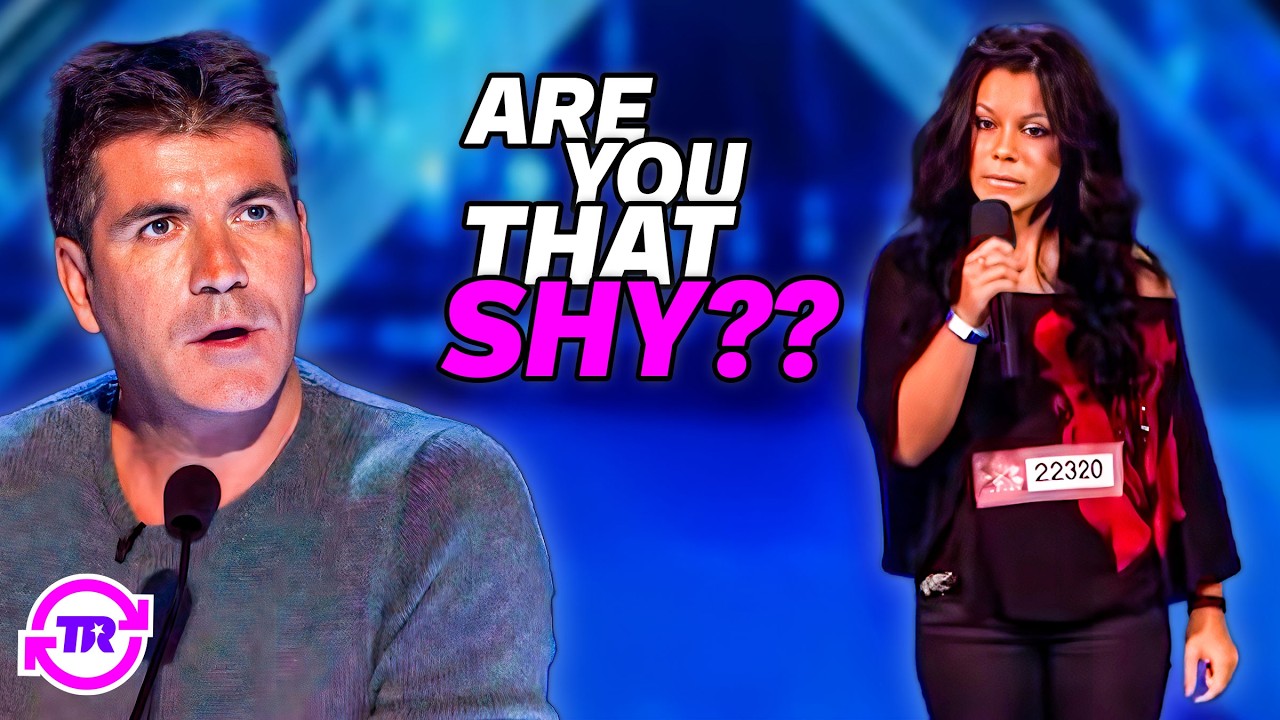
The stage lights were bright. The room was silent. In that one fragile moment she leaned toward the microphone and whispered the sentence so many of us have muttered to ourselves in the dark or before a big leap: “What if I mess up?” Her voice quivered, not merely from nerves but from the weight of what those words carried—fear of judgment, fear of failure, fear of becoming another forgotten face on a huge stage. It was a small admission, almost private, and the honesty of it landed like a pebble in still water.
She didn’t look like someone chasing fame. She looked like someone who’d brought her whole life to a single breath: the single mother who took night classes between shifts, the person who swore they’d one day sing the song they’d been humming in the shower, the office worker who doodled lyrics at lunch. Her hands trembled as she tucked a loose strand of hair behind her ear; her eyes searched the crowd for something familiar—some anchor. That unguarded question—“What if I mess up?”—wasn’t staged. It was the real, messy human thing we all feel before a risk.
For a moment the theater hummed with empathy. Everyone recognized that inward voice because they’d heard it themselves: the voice that asks “What if I fail?” before a job interview, “What if they laugh?” before telling someone you love them, “What if I’m not good enough?” when starting something new. It’s an ugly little voice that can freeze you in place. But then something remarkable happened: instead of silence or snickers, support rose up like a tide. The judges offered gentle smiles. The audience leaned forward. A ripple of applause began, small at first and then swelling, as if the room collectively decided to give permission to try.
That roar was more than encouragement—it was a declaration. It said: try. Fail if you must. We’ll still be here. It was the kind of moment where strangers become allies for a heartbeat. You could feel the pressure around her shoulders loosen just a fraction. Fear didn’t vanish, but courage found a way through the crack.
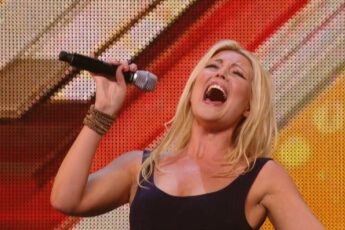
When she opened her mouth to sing, the difference between rehearsed technique and human truth became clear. Her voice wasn’t textbook-perfect; it was textured with life—breath catches where she’d swallowed grief, a slight rasp where laughter had left its mark. She leaned into the lyrics like a conversation, not a performance, and that made all the difference. A wrong note here or an off-beat there wouldn’t have mattered; what mattered was the story threaded through each line. It was the story of nights spent practicing alone, of supportive friends who texted “you got this,” of the small, daily courage it took to keep showing up.
As the first chorus landed, someone in the front row wiped their eyes. A few heads nodded in time. You could see people remembering their own “what ifs”—the college essay never sent, the audition never taken, the apology never spoken—and in that remembering, they found connection. The woman onstage was no longer an isolated figure in a spotlight; she had become a mirror for the audience’s own imperfections and hopes. The room didn’t demand perfection; it rewarded authenticity.
The crescendo was not built on flawless execution but on emotional truth. Her voice rose and fell with the tides of feeling—uncertain at first, then steadier as she surrendered to the moment. When she hit the bridge, something shifted: her shoulders dropped, her jaw unclenched, and a smile—a small, surprised smile—peeked through. It was the smile of someone discovering that the worst-case scenario she’d rehearsed in her head had never arrived. Instead, the crowd leaned into her story, loud enough to remind her that mistakes are not the end of the world but often good teachers.
After the final note hung in the air, the silence was immediate and palpable—then it broke into thunderous applause. The roar wasn’t only admiration for the song; it was relief, recognition, and shared triumph. People clapped not because she’d been flawless, but because she had chosen bravery. They clapped because her vulnerability reflected something personal and raw in them. A standing ovation rose as if the whole room wanted to propel her safely back down from the edge she’d teetered on.
Why does this kind of moment hit so hard? Because it reframes failure. We live in a culture that often equates mistakes with worthlessness, but when someone publicly faces their fear and presses on, it reminds us that imperfection can be courageous. It humanizes success. It gives permission. Her single whispered question—“What if I mess up?”—became a rallying cry for anyone who’s ever hesitated.
That night, she didn’t just sing a song; she offered a lesson. She taught that fear can be acknowledged without being obeyed, that vulnerability can invite support rather than rejection, and that the crowd’s roar can be a bridge from doubt to confidence. Afterward, people lingered in the lobby talking about the moment, exchanging stories of times they’d stepped forward despite fear. Her performance became a quiet beacon: a reminder that the risk of looking foolish is always worth the chance to be seen.
So the next time fear whispers in your ear, remember that whisper led to applause. Take the breath, step onto the stage, and let the room surprise you. You might stumble. You might rise. Either way, someone in the crowd will hear you—and sometimes, that’s enough to change everything.